Hindu Wedding Florist
Traditional and contemporary Hindu wedding floral production across California's luxury venues.
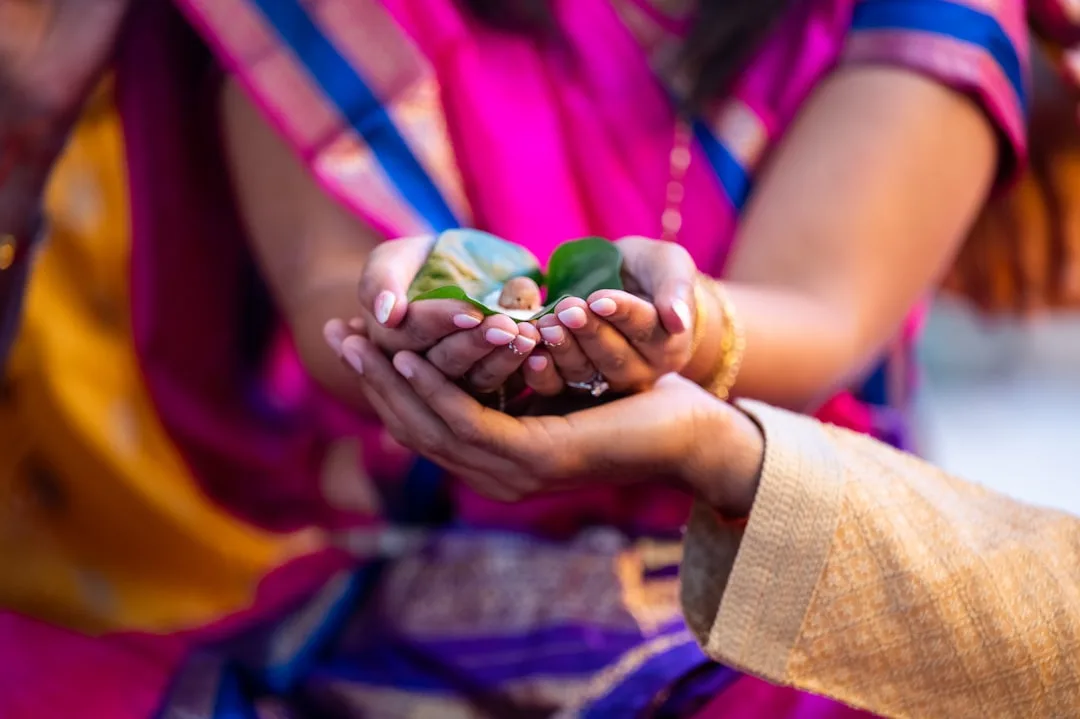
Hindu weddings are the largest single category of Indian weddings we produce, and CHIC Flowers has built deep operational expertise around the specific ritual, regional, and design requirements that Hindu ceremonies demand. Our Hindu wedding practice covers North Indian, South Indian, Gujarati, Punjabi, Marwari, Rajasthani, Bengali, Marathi, and every other major regional variant, with mandap design, havan clearance, pandit coordination, and multi-day production choreography handled as standard scope. This page covers how we approach Hindu wedding design across the ceremonial arc.
- ✻Traditional four-pillar mandap design with havan clearance engineering
- ✻Regional expertise across North, South, Gujarati, Punjabi, Marwari, Tamil, Telugu, Bengali
- ✻Multi-day production across mehndi, haldi, sangeet, ceremony, reception
- ✻Direct pandit coordination on fire clearance and ritual setup
- ✻Fire permit filing and protective flooring for outdoor havan
The ceremony structure — mandap, havan, and phere
A Hindu wedding ceremony is built around three central elements: the mandap (the canopy under which the couple marries), the havan or agni kund (the fire vessel at the center of the mandap), and the saat phere (the seven circumambulations the couple makes around the fire). Our design practice engineers every mandap around these three elements. Mandap sizing accommodates the couple plus pandit plus parents for kanyadaan; havan clearance maintains three feet minimum from outermost flame to nearest floral; phere pathway leaves visible open space for the couple's circumambulation.
Traditional Hindu mandaps are four-pillar structures, typically twelve by twelve feet in footprint, with pillar heights at nine feet six inches and a canopy above. Floral coverage ranges from restrained contemporary styling to fully dense marigold and rose coverage depending on regional tradition. For couples whose family wants traditional visual density, we source ten to fifteen thousand stems of marigold, rose, tuberose, and jasmine across the mandap structure.
Havan fire coordination requires direct conversation with your pandit. Fire vessels vary — brass kund, copper agni pot, or custom-built ceremonial vessels — and pandit comfort with flame management varies as well. We prefer a pre-wedding phone consultation with the officiant to walk through the setup.
Pre-ceremony sequence — mehndi, haldi, sangeet
A typical Hindu wedding includes mehndi (henna application), haldi (turmeric application), sangeet (music and dance evening), and the main ceremony itself. Each carries its own design language, and our floral production covers the full sequence. Mehndi is the most intimate event, centered on the bride and her closest female circle, with floor seating and overhead floral chandeliers of jasmine and marigold. Haldi is the warm golden-palette ceremony with pithi seating and marigold canopy. Sangeet is the theatrical performance evening with stage, backdrop, and choreographed entrance florals.
Regional variation in the pre-ceremony sequence is significant. Gujarati families often hold a pithi ceremony (a regional variant of haldi). Punjabi families typically hold roka or ring ceremony earlier in the week. Tamil families hold nischayatharatham (engagement) as a separate ritualized event. We adjust scope and scheduling to match your family's specific sequence.
Regional and sectarian variations
North Indian Hindu weddings (Gujarati, Punjabi, Marwari, Rajasthani, Sindhi) lean toward saturated color, dense floral coverage, and larger ceremonial scale. Mandaps are substantial four-pillar structures with generous canopy coverage, palettes lean warm and saturated, and sangeet productions are typically the theatrical high point of the week.
South Indian Hindu weddings (Tamil, Telugu, Kannada, Malayali) have distinctly different ritual structure and aesthetic. The kalyana mandapam is often more architectural than floral-dense, jasmine and tuberose dominate over marigold, and ceremonies like muhurtham and nalangu carry specific design requirements. Our South Indian practice coordinates with specialized pandits and family elders on ritual authenticity.
Bengali and Marathi Hindu weddings bring their own regional specifics — Bengali topor and shubho drishti moments, Marathi mangalsutra and saptapadi rituals — each requiring design accommodation.
Multi-day production logistics
Hindu weddings in California typically run three to five days. Our production team handles install and strike across the full sequence, with on-site refresh and adjustment throughout. For large multi-day productions at venues like Four Seasons Westlake, Meadowood Napa Valley, or Ojai Valley Inn, we begin pre-wedding install three to four days before guest arrival and maintain a continuous on-site presence through strike.
Fire permit coordination for outdoor havan is part of our production scope. Permits file four to six weeks in advance depending on jurisdiction. Our detailed resource page on California venues allowing open-flame mandap covers which venues support outdoor havan.
Begin the conversation
Share your dates, venue, and details — Alona reads every inquiry personally and responds within one business day.
Request a consultationExplore related design guides
Ceremony & design guides
By tradition
Luxury venues we design
Serving these cities