Tamil Wedding Florist — Kalyanam
Traditional Tamil Brahmin (Iyer, Iyengar), and non-Brahmin kalyanam production with authentic ritual accommodation.
Tamil weddings — kalyanam — carry distinct ritual structure and aesthetic vocabulary that differentiates them meaningfully from North Indian Hindu weddings. CHIC Flowers' Tamil wedding practice covers Iyer and Iyengar Brahmin traditions, Tamil non-Brahmin weddings, and the specific ceremonial sequence from nischayatharatham (engagement) through muhurtham (the binding ritual) to reception. Our design approach honors the Tamil aesthetic — jasmine-dominant floral vocabulary, architectural kalyana mandapam structures, and restrained color palettes compared to North Indian counterparts.
- ✻Architectural kalyana mandapam with restrained floral accents
- ✻Jasmine and tuberose-dominant palette, not marigold-heavy
- ✻Muhurtham-timed install schedule (often pre-dawn)
- ✻Distinct Iyer, Iyengar, and non-Brahmin Tamil traditions
- ✻Reception-scale celebration after the muhurtham
Kalyana mandapam — architectural rather than floral-dense
The kalyana mandapam in Tamil tradition is often more architectural than floral-dense. Traditional South Indian mandapam structures feature carved wooden pillars, ornamental canopies with gold detail, and restrained floral accents rather than pillar-to-canopy coverage. Our kalyana mandapam designs honor this by building structures with visible architectural integrity — wood or painted pillars with strategic floral placement rather than full pillar wrapping.
Jasmine, tuberose, and mogra dominate the Tamil mandapam palette. Marigold appears but is often less central than in North Indian designs. Color accents include deep red rose, saffron, and soft pink. Restraint is part of the aesthetic; dense saturated coverage is culturally off-register.
The muhurtham and ceremonial sequence
Tamil weddings follow a specific ritual sequence that includes nischayatharatham (engagement), janavasam (groom's procession to the wedding hall), muhurtham (the binding ritual at the astrologically designated auspicious time), and reception. Each carries its own design implications.
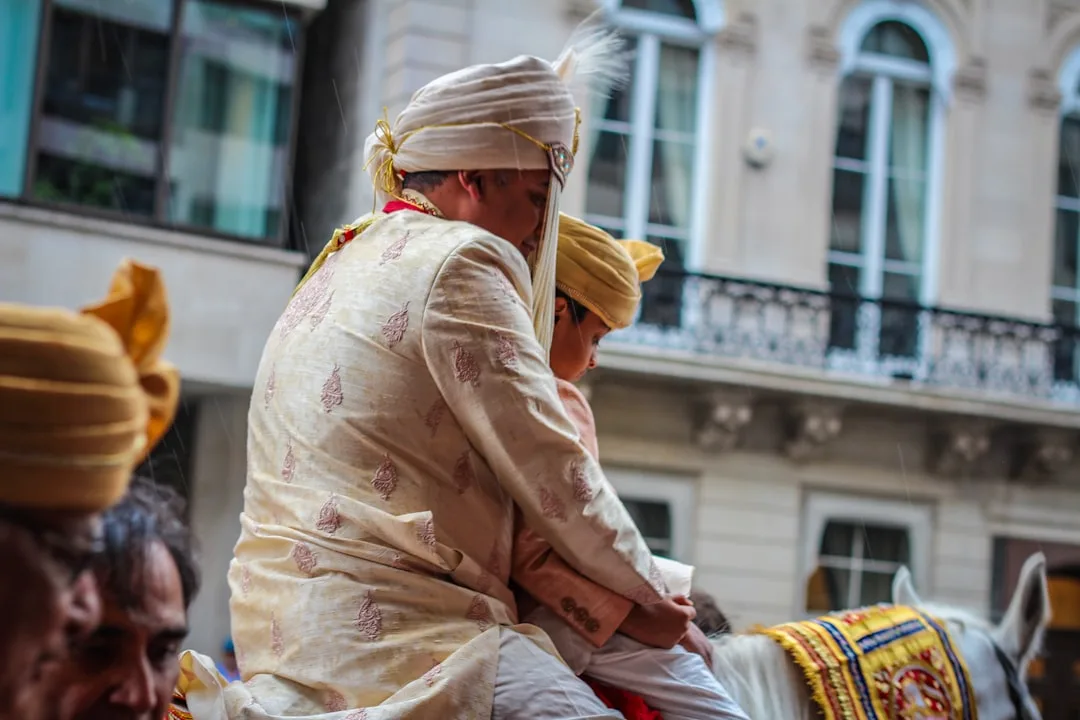
Janavasam replaces the North Indian baraat in some Tamil traditions, and the procession is more subdued — a formal walk from the groom's preparation area to the wedding hall with family accompaniment. Floral design for janavasam is typically restrained; jasmine garlands for the groom and close family, small floral accents rather than the theatrical Punjabi-style baraat production.
Muhurtham timing is determined by family astrologer well in advance. This affects ceremony scheduling — muhurthams often happen at early morning times, which drives our install schedule backward. A 7:00 AM muhurtham means we begin install the previous evening.
Reception — full celebration expression
Reception after the muhurtham is where Tamil families often express full celebratory scale. Our Tamil reception productions can be substantial — large guest counts, elaborate stage backdrops, and full ceremonial presentation. The shift from ceremony restraint to reception celebration is cultural; we design the palette and density progression deliberately across the day.
Sangeet as a discrete evening is less universally practiced in Tamil tradition than in North Indian, but many modern Tamil families now include a sangeet in the wedding week, often with pan-Indian music and dance rather than specifically Tamil repertoire.
Begin the conversation
Share your dates, venue, and details — Alona reads every inquiry personally and responds within one business day.
Request a consultationExplore related design guides
Ceremony & design guides
Luxury venues we design
Serving these cities
Planning & pricing