Telugu Wedding Florist — Pelli
Multi-day Telugu wedding production with authentic South Indian ritual structure and aesthetic vocabulary.
Telugu weddings — pelli — carry their own distinct ritual sequence and aesthetic vocabulary that differentiates them meaningfully from North Indian Hindu weddings and from Tamil kalyanams. CHIC Flowers' Telugu wedding practice covers the full ceremonial arc: pellikoduku and pellikuthuru (groom and bride's ceremonial preparation), snathakam, kashi yatra, mangala snanam, jeelakarra-bellam (the auspicious moment when the couple place a paste of cumin and jaggery on each other's heads), sumangali prarthana, and the muhurtham itself. Our designs honor the South Indian floral vocabulary — jasmine and tuberose dominant, architectural mandapam rather than floral-dense — while delivering luxury-grade production.
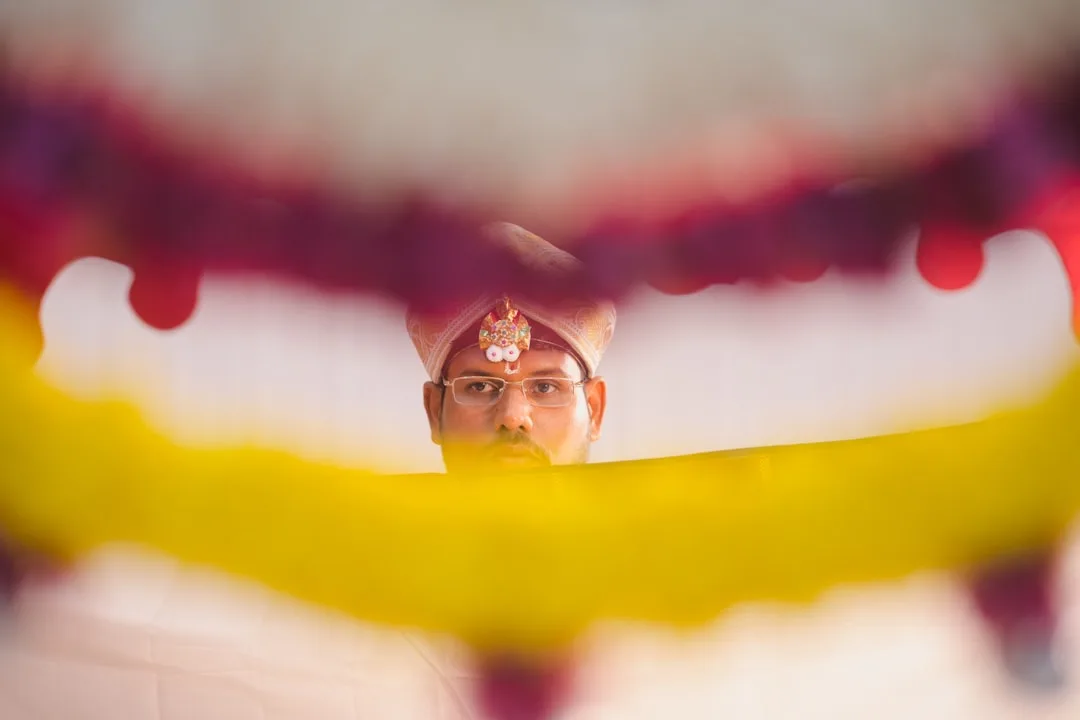
- ✻Pellikoduku, pellikuthuru, snathakam, kashi yatra ritual florals
- ✻South Indian architectural mandapam with jasmine-dominant palette
- ✻Jeelakarra-bellam ceremony detail table and styled thali
- ✻Muhurtham-timed install schedule (often pre-dawn)
- ✻Aashirvadam stage design for family blessing receiving line
Pellikoduku, pellikuthuru, and pre-muhurtham rituals
The Telugu wedding sequence includes several pre-ceremony rituals that benefit from thoughtful floral staging. Pellikoduku is the groom's preparatory ceremony the evening before the wedding, and pellikuthuru is the bride's equivalent. Both involve ritual bathing and blessings by close family, and both are typically held at the family home or suite. Our florals here are restrained and intimate — small floral vignettes, styled thalis, garlands for the couple and family.
Snathakam and kashi yatra are brief ceremonial moments on the wedding morning: snathakam is the groom's ritual acknowledgment of his pending family responsibility, and kashi yatra is the playful ritual where the groom pretends to leave for Varanasi before being convinced to marry. These moments are typically photographed and benefit from light floral accents rather than full installations.
The pellikoduku mandapam — architectural and jasmine-dominant
Telugu mandapams follow the South Indian architectural tradition — ornamented wooden or painted pillars, carved canopy, and restrained floral accents rather than pillar-to-canopy coverage. Jasmine and tuberose dominate; marigold appears but is rarely central. Color accents include deep red rose, saffron, and soft pink, with gold detailing throughout.
Jeelakarra-bellam is the signature Telugu ritual moment — the couple places a paste of cumin and jaggery on each other's heads at the astrologically designated muhurtham. The ceremony moment is highly photographed and benefits from clean sightlines, restrained mandapam floral, and a styled detail table with the jeelakarra-bellam paste presented on a brass thali.
Muhurtham timing is determined by family astrologer. Telugu muhurthams, like Tamil muhurthams, are often at early morning times (6:00–9:00 AM), which drives our install schedule — we typically begin setup the evening before for early-morning muhurthams.
Reception and Aashirvadam
Reception after the pelli typically includes aashirvadam — the family blessing of the couple — which is a formal receiving-line moment where guests offer blessings individually. We design a stage with floral backdrop that frames the couple for this extended photograph-rich moment, and we stage guest flow so the blessing sequence moves smoothly without bottlenecks.
Reception palettes shift warmer and more celebratory than the ceremony palette, often introducing marigold, rose, and warmer pinks to complement the aashirvadam moment's family-centered warmth.
Begin the conversation
Share your dates, venue, and details — Alona reads every inquiry personally and responds within one business day.
Request a consultationExplore related design guides
Ceremony & design guides
Luxury venues we design
Serving these cities
Planning & pricing