Ghodi (Baraat Horse) Floral Decor
Traditional and contemporary floral dressing for the baraat horse — the visual center of the groom's arrival.
The ghodi — the white horse the groom rides during a traditional Indian baraat — is one of the most visually iconic elements of the entire wedding. The horse's floral dressing is a distinct design object: culturally weighty, functionally demanding, and heavily photographed. CHIC Flowers designs ghodi floral across density tiers, from traditional marigold-and-rose full coverage to contemporary restrained accents, always engineered for the animal's comfort and the handler's control during the procession.
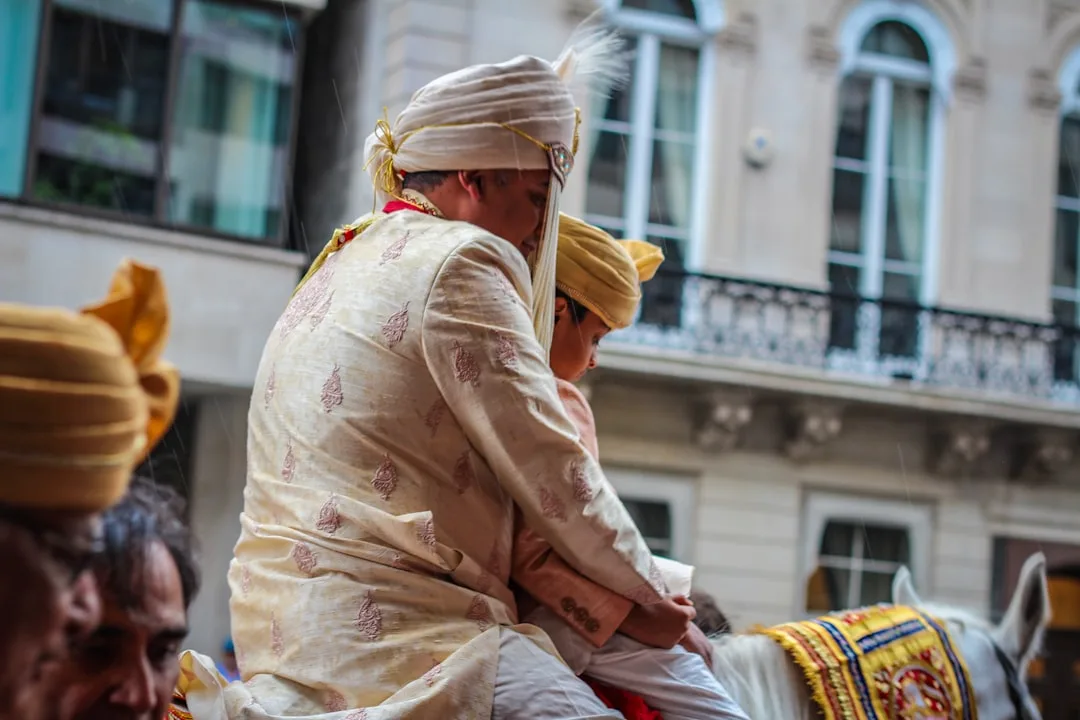
- ✻Forehead plate, bridle, saddle, chest, reins, and mane dressing options
- ✻Traditional (marigold/rose saturated) through contemporary (soft coral/cream) palettes
- ✻Coordinated with the groom's sherwani and the overall wedding palette
- ✻12–18 lb total floral weight, distributed for horse comfort
- ✻90-minute pre-baraat install window with the handler
What gets dressed
Ghodi floral dressing covers several distinct elements of the horse's tack and body. The forehead plate (the decorative panel on the horse's brow) carries the densest floral — typically marigold, rose, and a central accent bloom coordinated to the wedding palette. The bridle wrap runs along the reins with jasmine or marigold strings. The saddle is dressed with a floral blanket that covers the saddle seat and drapes partway down the horse's flanks. The chest dressing (across the front of the horse's shoulders) pairs with the saddle for a coordinated visual.
Additional elements include reins garlands (lighter floral strings that hang from the reins), tail accents (subtle floral clips at the tail base), and mane flowers (small blooms tied into the mane at intervals). Full traditional ghodi dressing can include all of these; contemporary approaches often restrain to forehead plate and saddle only.
Palette and cultural vocabulary
Traditional Punjabi and North Indian ghodi palettes lean saturated orange, crimson, and deep rose with marigold as the anchor flower. The aesthetic is celebratory and unapologetically colorful.
Gujarati and Marwari ghodi palettes often push toward jewel tones — deeper crimson, fuchsia, gold — matching the saturated palette of the wedding's overall design language.
Contemporary fusion ghodi palettes trend softer — muted coral, cream, and soft gold with marigold accents rather than dominance. This works especially well for fusion Hindu-Christian or Hindu-Jewish weddings where the baraat coexists with non-Hindu ceremonial elements.
Color coordination with the groom's sherwani is important. A groom in cream sherwani reads differently from a groom in deep burgundy or fuchsia, and the ghodi floral should complement the outfit without competing.
The animal's comfort and safety
Ghodi floral must be engineered for the horse's comfort and the handler's control. We work with California ghodi vendors who specialize in wedding work, and our floral is built onto tack the handler has pre-approved. Weight matters — overly heavy floral on the saddle or chest can affect the animal's movement and the groom's seat balance. Typical total ghodi floral weight runs twelve to eighteen pounds, distributed across tack rather than concentrated in one area.
Heat and sun exposure affect floral choice. Marigold and rose hold up well in California baraat conditions; jasmine and mogra wilt faster and are typically reserved for brief morning ceremonies rather than midday outdoor processions.
Install timing happens roughly ninety minutes before the baraat start. The handler brings the horse to a staging area; our team dresses the floral; handler and horse walk to the baraat start point. We do not install floral on the horse earlier than ninety minutes pre-procession because the animal tolerates dressing for a limited window before becoming restless.
Begin the conversation
Share your dates, venue, and details — Alona reads every inquiry personally and responds within one business day.
Request a consultationExplore related design guides
Ceremony & design guides
By tradition
Luxury venues we design
Serving these cities
Signature flowers