Toran (Doorway Garland)
The welcoming garland at every ceremony and reception entrance — a quiet but meaningful Indian wedding design element.
Toran — the decorated doorway garland hung above entrances — is one of the smaller but culturally weightiest elements of Indian wedding design. Tradition places a toran at every threshold a guest crosses: the ceremony venue entrance, the mandap, the reception doorway, and sometimes even the family's home entrance during the wedding week. CHIC Flowers designs torans in traditional marigold-and-mango-leaf styles as well as contemporary floral adaptations that extend the aesthetic beyond the traditional vocabulary while keeping the cultural meaning intact.
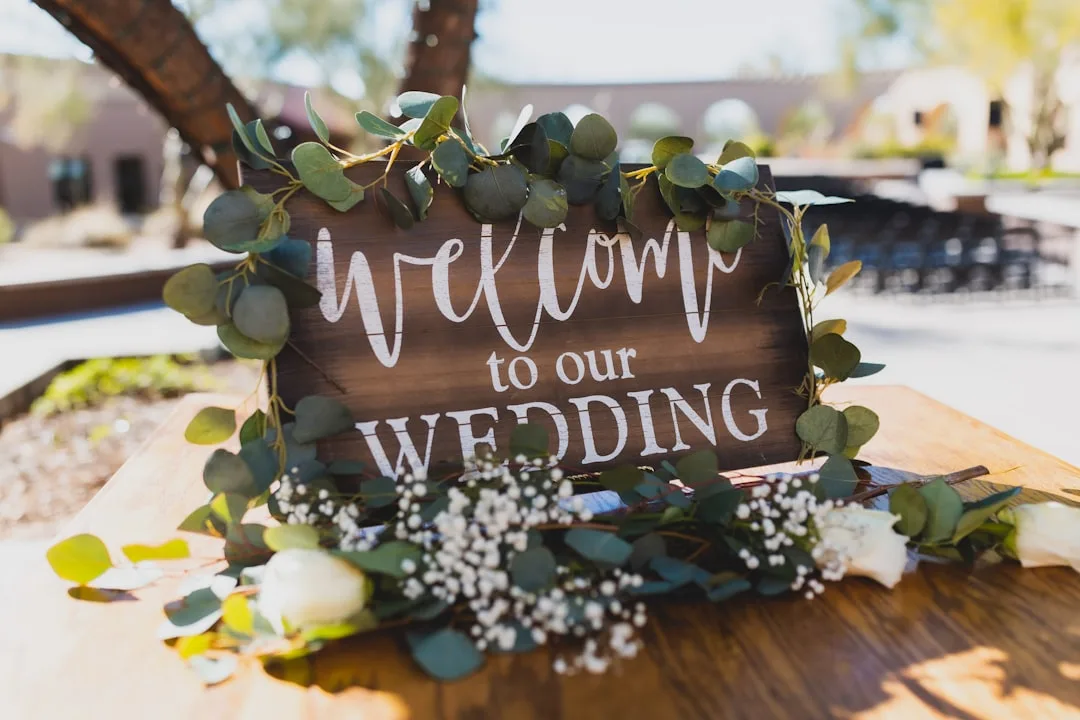
- ✻Traditional marigold-and-mango-leaf or contemporary floral design
- ✻Three core placements: ceremony, mandap, reception entries
- ✻Optional extensions to family home, sangeet, baraat milni threshold
- ✻3–6 ft standard width, up to 12 ft for large ballroom entries
- ✻Palette coordination with overall wedding visual story
Traditional vs contemporary toran design
Traditional torans use mango leaves threaded on a string with marigold blooms interspersed at regular intervals. The mango leaves carry auspicious cultural meaning (the tree represents prosperity and new beginnings); the marigold adds color and protective symbolism. A traditional toran is typically three to six feet wide, hung above the entrance so guests pass under it on the way in.
Contemporary torans extend the vocabulary. Instead of only mango leaf and marigold, we design torans with rose, jasmine, orchid accents, eucalyptus or fern in place of mango leaf, and architectural elements like small glass vessels or metallic accents. The cultural function — marking the threshold — stays consistent while the aesthetic adapts to the wedding's overall design direction.
Large torans for hotel ballroom entrances or estate gates can run eight to twelve feet wide, using dense floral work to create a proportionally significant entrance moment. These larger installations often serve as a photography backdrop for guest arrivals.
Where we place torans
Every Indian wedding we design includes at least three toran placements: ceremony venue entrance (where guests first arrive), mandap entrance (where the bride walks under before her seating), and reception entrance (where guests enter the post-ceremony celebration). Each placement uses a toran sized and dressed appropriately for the space and the traffic.
Additional toran placements can include: the bride's preparation suite doorway, the sangeet entrance, the groom's baraat arrival threshold (milni point), and the exit where the couple departs after the ceremony. For weddings where the family's home is part of the wedding week (pre-ceremony rituals, family arrival gatherings), a toran at the home entrance ties the day together culturally.
Construction and install notes
Torans are relatively simple installations — typically mounted to existing doorway hardware or to temporary mounts we provide, using lightweight frames or threaded strings. Install time runs thirty to sixty minutes per toran depending on size. For simple marigold-and-mango-leaf torans, we often install the morning of the event. For elaborate contemporary torans with fresh floral, installation happens in the final ninety minutes before guest arrival to preserve freshness.
Color coordination with the overall wedding palette matters. A toran at the ceremony entrance should reference the mandap palette so the visual story begins as guests walk in. A reception toran might shift slightly warmer or more celebratory to mark the shift from ceremony to reception energy.
Begin the conversation
Share your dates, venue, and details — Alona reads every inquiry personally and responds within one business day.
Request a consultationExplore related design guides
Ceremony & design guides
By tradition
Luxury venues we design
Serving these cities