Lotus in Indian Wedding Design
Sacred ceremonial symbolism for Hindu and Buddhist-influenced wedding design.
Lotus carries some of the most significant spiritual symbolism in Indian tradition. In Hinduism, it represents purity, divinity, enlightenment, and creation — Lakshmi, Saraswati, and Brahma are all depicted with lotus. In Buddhism, it represents enlightenment and spiritual awakening. For Indian wedding design, lotus appears in specific ceremonial moments and as an accent element rather than as a dominant floral — its symbolic weight makes overuse feel inappropriate. CHIC Flowers designs with lotus at specific ritual moments where its meaning aligns with the ceremony.
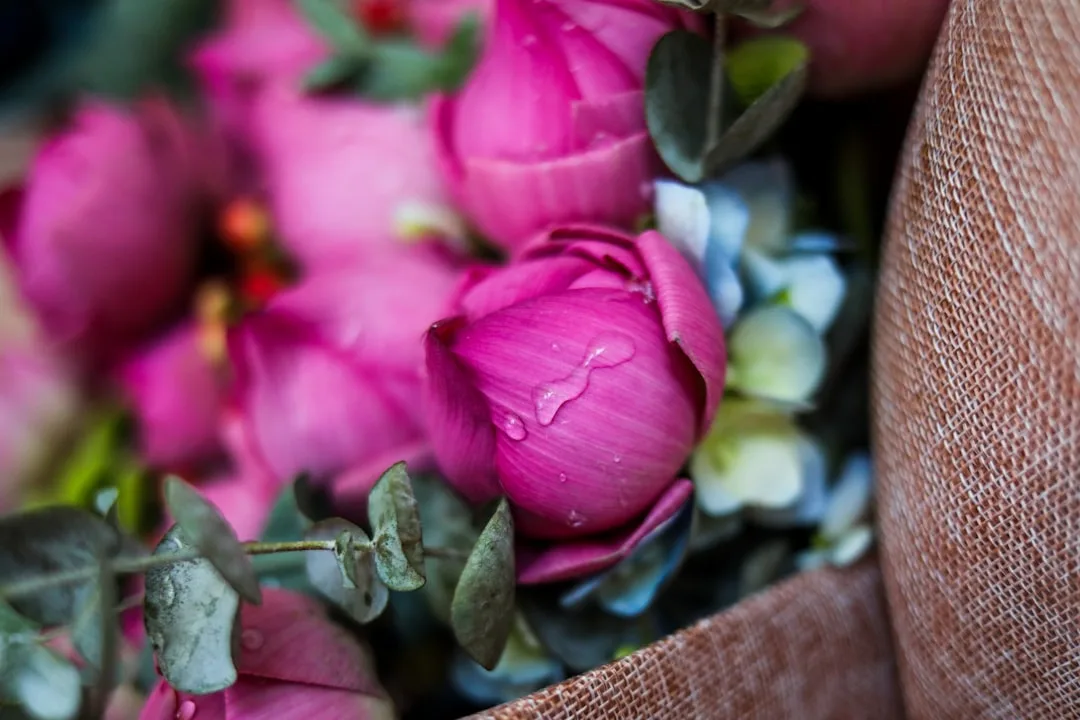
- ✻Mandap focal point accents at the central medallion or ritual-item placement
- ✻Pooja thali and ritual vessel styling with lotus bloom or petals
- ✻Floating centerpieces in water-filled vessels for reception tables
- ✻Buddhist-influenced fusion wedding design with cultural lotus reference
- ✻3–4 week sourcing lead time for premium lotus varieties
Where lotus works in wedding design
Mandap floral accents — a single lotus at the mandap's central focus point, at the kalash placement, or at the agni kund periphery carries cultural weight without overwhelming. Combined with rose and marigold in traditional mandap work, lotus adds a moment of visual emphasis at ritually significant locations.
Pooja thali and ritual vessel styling — lotus petals or a single bloom in the pooja thali reads as traditionally appropriate and ceremonially meaningful. Close-up photography captures the symbolism clearly.
Bridal entrance and phoolon ki chaadar — lotus accents within the chaadar canopy, particularly at the canopy's central medallion, reference the bride's spiritual transition in a culturally meaningful way.
Reception center tablescapes — a lotus floating in a low water-filled vessel as the table centerpiece works beautifully for Hindu and Buddhist-influenced fusion weddings. The imagery of lotus on water is culturally resonant and visually striking.
Sourcing and logistics
Fresh lotus sourcing is more challenging than common wedding flowers. California has limited domestic lotus production; most wedding-grade lotus is imported from Southeast Asia or grown at specialty hothouses. Lead time for premium lotus orders runs three to four weeks before the event, and specific varietals (pink, white, and rarer blue lotus varieties) may require longer sourcing windows.
Lotus holds reasonably well in water-filled vessels but wilts quickly out of water. Our installation approach keeps lotus in water wherever possible — floating centerpieces, submerged vases, pooja thali water presentation — and uses fresh cut stems for immediate-ceremony moments where water is impractical.
Begin the conversation
Share your dates, venue, and details — Alona reads every inquiry personally and responds within one business day.
Request a consultationExplore related design guides
Ceremony & design guides
Luxury venues we design
Serving these cities