Champa and Chameli in Indian Weddings
Traditional fragrant flowers with deep cultural association in Indian wedding tradition.
Champa (Plumeria — also known as frangipani in English) and chameli (Jasminum grandiflorum, a specific jasmine variety) are fragrant flowers with cultural significance across Indian wedding tradition. Champa's cream-to-yellow blossoms carry associations with temple offerings and spiritual ceremony. Chameli's small white blossoms are common in bridal hair styling and temple garland work. Both appear as accent flowers in Indian wedding design rather than dominant installation flowers — their value lies in fragrance, cultural reference, and delicate detail work.
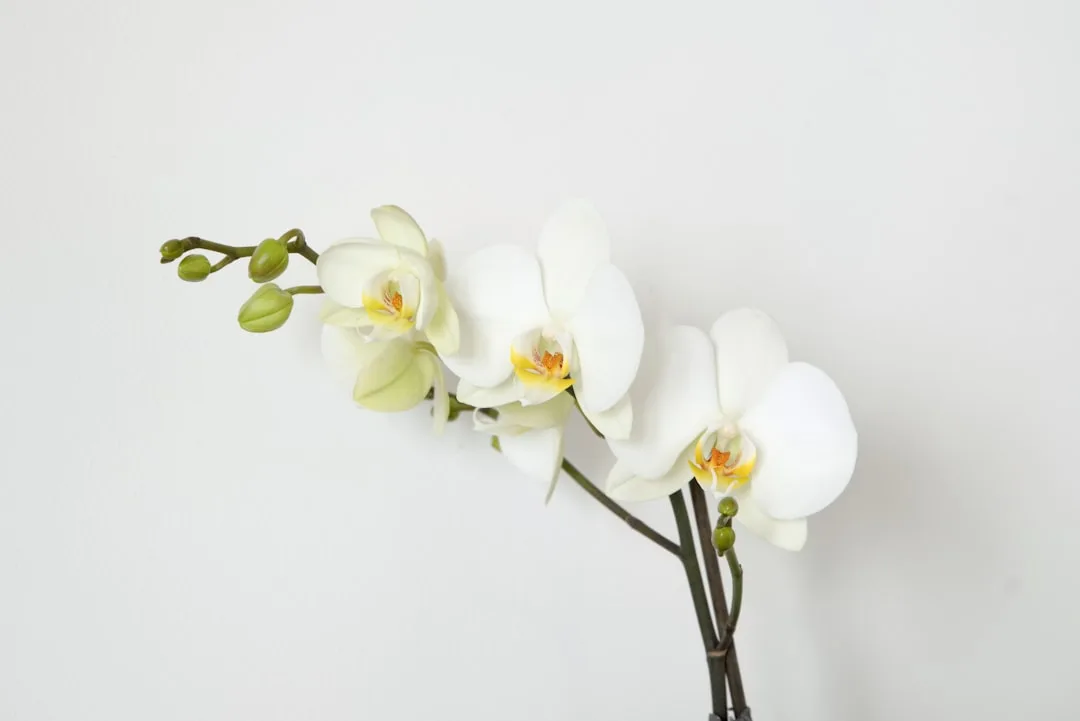
- ✻Champa (plumeria) for temple-offering and bridal styling accents
- ✻Chameli (jasmine variety) for gajra and fine detail work
- ✻3–4 week sourcing lead time for California wedding-quality supply
- ✻Tropical-accent palette direction for fusion and coastal Indian weddings
- ✻Cultural association with South Indian, Goan, and Mangalorean traditions
Champa (Plumeria/Frangipani) applications
Champa appears in Indian wedding design as temple-offering floral, as mandap accent at specific ritual points, and as bridal hair styling for South Indian and fusion brides. The flower's distinctive star-shaped silhouette and tropical character make it visually distinctive against more common marigold-and-rose installations.
California sourcing for champa is challenging — plumeria is primarily grown in tropical and subtropical regions, with limited California production (mostly Southern California and Hawaii imports). Lead time for wedding-quality champa is typically 3–4 weeks.
Chameli (jasmine variety) applications
Chameli is the jasmine variety most often used in temple garland work across India. In California Indian weddings, chameli appears in bridal gajra, small attendant garlands, and ritual thali accents. Chameli has more delicate, smaller blooms than Arabian jasmine (mogra), which makes it suited to fine detail work rather than large installations.
Fragrance matters — chameli carries a softer, sweeter scent than mogra, which some families prefer for close-up bridal styling and intimate ceremony moments.
Tropical-accent palette direction
Some fusion Indian weddings and Goan Catholic weddings lean into tropical floral direction — champa, plumeria, hibiscus, and other tropical blooms as accent flowers within an overall warm palette. This direction references Indian coastal tradition (Goa, Kerala, Mangalorean) and works beautifully for California coastal venue weddings.
Full-tropical palettes (champa as dominant flower) are rare in luxury Indian wedding design — the sourcing complexity and flower delicacy push tropicals into accent rather than dominant roles. Hybrid palettes with tropical accents alongside traditional Indian flowers are more typical.
Begin the conversation
Share your dates, venue, and details — Alona reads every inquiry personally and responds within one business day.
Request a consultationExplore related design guides
Ceremony & design guides
By tradition
Luxury venues we design
Serving these cities