Bengali Wedding Florist
Gaye holud, biye, bou bhat — multi-day Bengali and Bangladeshi wedding production with authentic ritual detail.
Bengali weddings — biye — carry a distinctive ritual sequence and aesthetic vocabulary rooted in Bengal's cultural traditions. The wedding week typically runs ashirwad (engagement), gaye holud (the Bengali turmeric ceremony), biye itself (the main ceremony), and bou bhat (the post-wedding reception hosted by the groom's family). CHIC Flowers' Bengali wedding practice covers the full sequence with floral design that honors the tradition's specific visual elements — topor (the groom's conical headpiece), saat paak (the bride's seven circumambulations carried by her brothers), shubho drishti (the first look moment), and the distinctive red-and-white palette anchored by marigold and tuberose.
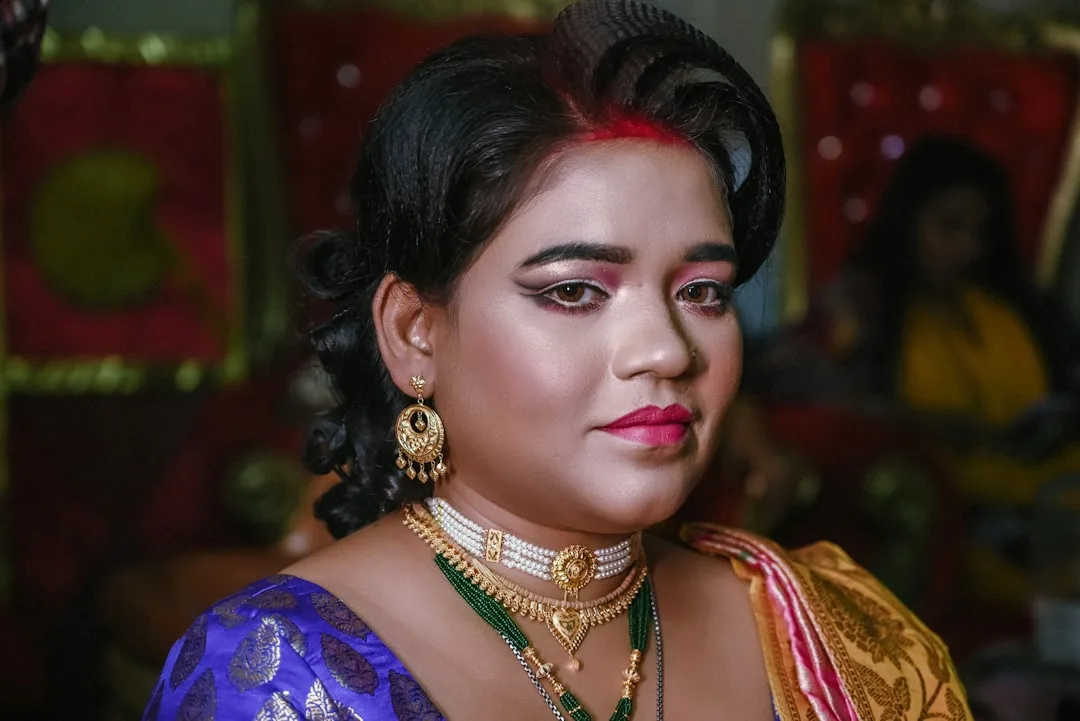
- ✻Gaye holud ceremony with marigold-dominant palette and mustard-oil turmeric
- ✻Saat paak staging — seven circumambulations carried on piri seat
- ✻Shubho drishti, mala badal, sindoor daan ritual moments
- ✻Red-and-white Bengali palette with marigold, tuberose, and white mum
- ✻Bou bhat reception production at celebration scale
Gaye holud — the Bengali turmeric ceremony
Gaye holud is the Bengali variant of haldi, held separately at the bride's and groom's homes (though modern California Bengali families often combine into a single event). The turmeric paste — blended with mustard oil, sandalwood, and herbs — is applied by family members with specific ritual sequence. Our gaye holud staging uses a raised floral platform for the seated bride or groom, overhead canopy installation in marigold and tuberose, and a styled detail table with the turmeric paste presented on a brass thali.
Traditional Bengali gaye holud palettes lean yellow and marigold-dominant with white accents — visually distinct from a Gujarati pithi or North Indian haldi. Fish and sweets (rasgulla, sandesh) feature prominently in the ceremony as symbolic offerings, which we coordinate with the caterer on presentation staging.
The biye — Bengali main ceremony
Bengali main ceremonies include several distinct moments. Saat paak is the bride's seven circumambulations of the mandap, carried on a wooden seat (piri) by her brothers. Shubho drishti is the first-look moment when the couple removes the betel leaves shielding their faces and sees each other for the first time in the ceremony. Mala badal is the varmala exchange, similar to but distinct from North Indian jaimala. Sindoor daan is the groom placing vermillion in the bride's hair parting, symbolizing her married status.
Bengali mandaps are architecturally similar to North Indian mandaps but dressed in a distinctive red-and-white palette with marigold, tuberose, and white mum as dominant flowers. The overall aesthetic reads more subtly saturated than Punjabi or Gujarati designs, with detail density rather than floral scale.
The groom's topor (conical white-and-red headpiece with intricate craftsmanship) and the bride's shola pith crown are traditional elements we do not produce but coordinate with the family on — they are typically sourced from Bengal directly or from specialty Bengali wedding vendors in California.
Bou bhat — the post-wedding reception
Bou bhat is the reception hosted by the groom's family on the day after the wedding, traditionally marking the bride's first meal in her new family home. Modern California Bengali bou bhat celebrations are reception-scale events with formal seating, stage design, and elaborate floral coverage. Our bou bhat productions typically include a stage backdrop for the couple, full tablescape progression, and ceiling installation work in the red-and-white palette that characterizes Bengali tradition.
Bangladeshi Muslim wedding sequences carry related but distinct structure — gaye holud exists similarly, but the main ceremony (biye) is replaced by nikah (see our Muslim Nikah page) and the reception equivalent is walima. Our Bangladeshi Muslim wedding practice adjusts scope accordingly.
Begin the conversation
Share your dates, venue, and details — Alona reads every inquiry personally and responds within one business day.
Request a consultationExplore related design guides
Ceremony & design guides
By tradition
Luxury venues we design
Serving these cities
Signature flowers
Planning & pricing